
Healthcare IT Careers
I Waited 10 Years to Sit in This Room: My Epic Bridges Training in Verona
I waited 10 years to get into an Epic Bridges classroom. What the training covers, life on the Verona campus, and how to get your employer to send you.
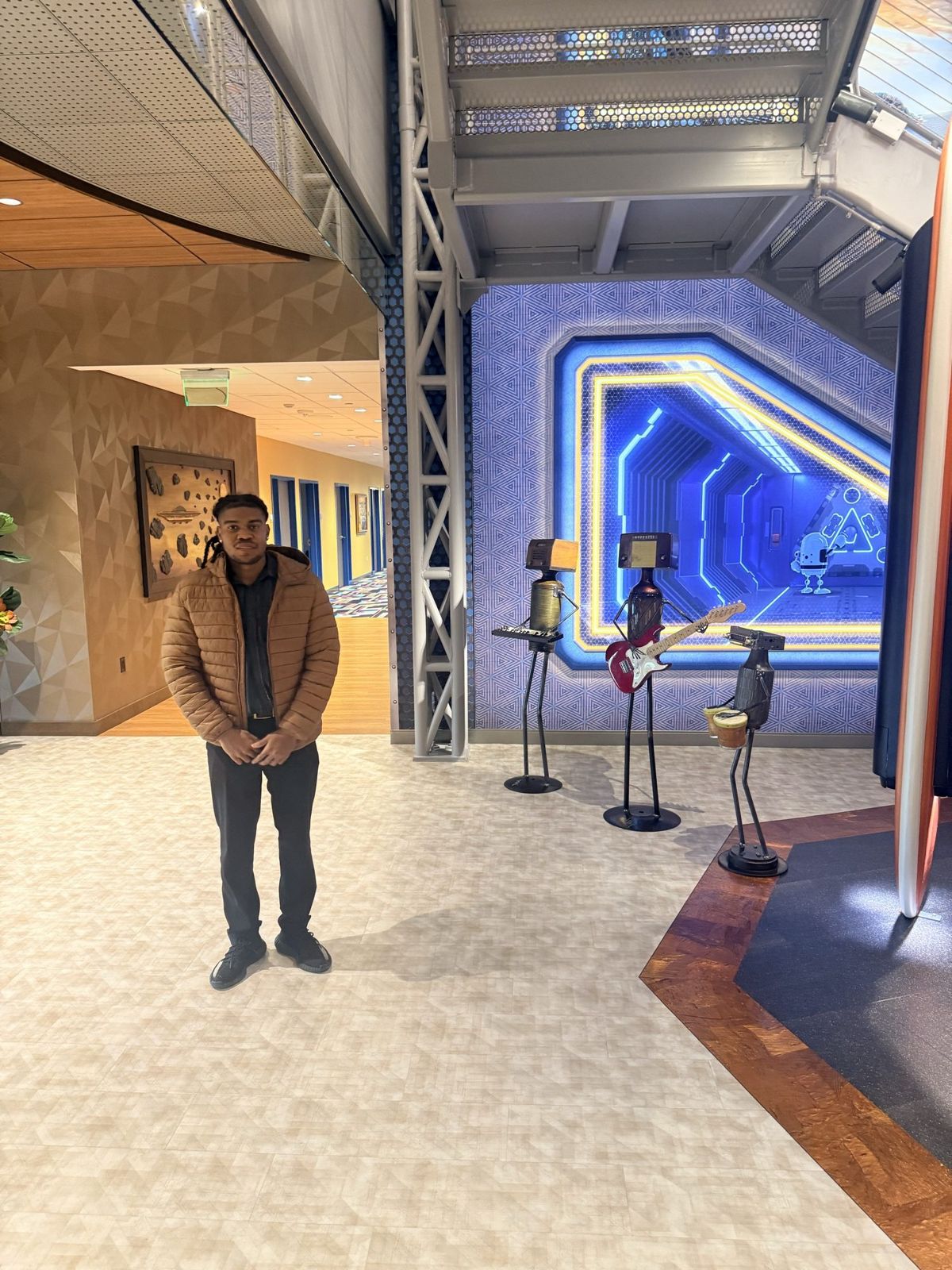
When the Uber turned onto Epic’s campus in Verona, Wisconsin, my first thought was: this feels like college.
It’s huge. The driver started giving me a tour before I’d even gotten out of the car. He pointed out where the CEO’s office is, and told me how big the campus really is. Then I started noticing things. Epic bikes parked around the grounds. Buildings that looked more like a theme park than a corporate office.
I’d wanted to be there for about 10 years.
It started with a conversation. I was working desktop support at a hospital in New York City, and one of the contractors started talking about his daughter, who worked with Epic. Companies were flying her out and paying her top dollar. I was surprised. I didn’t know that kind of career existed. I went home that night and started researching Epic.
That’s how I got here.
This post covers what Epic Bridges training is, how I got my employer to send me, what the two days were like, and what I’d tell anyone in healthcare IT trying to get there. I’m still working toward full certification. I’ll explain where that stands below.
What is Epic Bridges?
Bridges is Epic’s interfaces application. It’s the part of Epic that sends and receives data between Epic and every other system a hospital runs: labs, devices, billing systems, and third-party applications.
If data moves in or out of Epic, Bridges is usually involved. That’s why it matters even if, like me, you don’t build interfaces every day.
How I got sponsored: I asked
Epic certification usually requires an employer to sponsor you. You can’t just sign up. A lot of people stop there. Here’s what worked for me.
I’m a REDCap systems engineer. I don’t build Epic interfaces every day. But I own the project that connects REDCap to Epic, which means I’m responsible for that connection and I’m the one in meetings with Epic’s team.
So I went to my manager and made the case. I wanted to understand how the Epic environment is configured and how its interfaces work, because connecting REDCap to Epic depends on it.
That’s the key. I didn’t ask for training because I wanted a certification on my résumé. I tied it to work I was already responsible for. When training clearly helps a project your manager cares about, it’s much easier to say yes.
What I brought with me
I didn’t walk in cold:
- HL7 and InterSystems: As a systems engineer at a health integration company, I worked with HL7 every day and earned two InterSystems credentials: Managing InterSystems Integrations and HealthShare Unified Care Record Overview.
- Mirth Connect: I paid for private courses and mentorship on my own time to learn Mirth Connect interfaces.
- Epic go-lives: I’ve supported several Epic go-lives, including an Epic Beaker go-live. On a 15-hospital Epic rollout, I was a lead technical dress rehearsal consultant for my hospital site. My team of six technicians tested more than 800 devices and printers against Epic’s clinical workflows, fixing problems with site IT and the Epic team before each go-live wave.
None of that was required, but all of it helped. The HL7 background especially meant the class built on something I already knew.
Arriving at Voyager Hall
The driver dropped me off at Voyager Hall, where the classes are held. The first thing I saw was a big screen listing the day’s classes and attendees.
My name was on it. First row, top of the board.
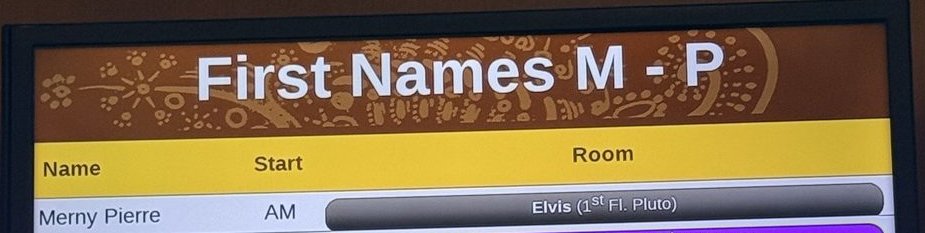
I just stood there for a second. I really made it.
The board also shows how Epic does things. Every classroom has a theme: Wild Wild West, Indiana Jones, Star Wars, Roaring 20’s. My class was in a room called Elvis.
Then, walking toward the breakfast area, I heard someone call my name. I’d been on campus for about five minutes. It was a former colleague I’d worked with on that Epic Beaker go-live years ago. Being recognized on day one felt like a good sign.
I grabbed breakfast and headed to class with about 20 minutes to spare.
Inside the classroom
The classroom was big, with a large screen at the front and a computer at every seat. You pick a seat, put your name down, get your training materials, and start.
Here’s what the class covered:
- HL7 basics: how a message is structured and formatted
- Building interfaces: Interface Specifications, which define how an interface behaves, and Translation Tables, which convert codes between Epic and the other system
- Finding and watching messages: Message Search, and the Interface Monitor for seeing what’s flowing and what’s stuck. You also learn to build, trigger, and generate messages inside the system.
- Handling errors: the Interface Error Workqueue and its rules, Error Resolution Plans, and Error Step Groups. With Error Step Groups, you write step-by-step fix instructions that show up right next to an error when it happens.
- Reports and audits: the Error Log, Error Summary, Interface Specification Audit, and Table Audit reports, for tracking errors and changes over time
The hardest part came first: the HL7 encoding characters. The special characters that separate fields, components, and repeats in a message. The instructors start there on purpose, because nothing else makes sense until you understand them. It isn’t hard so much as confusing at first. Take your time, go over it slowly, and it clicks.
The campus: a slide, unlimited coffee, and the best steak I’ve had at a training
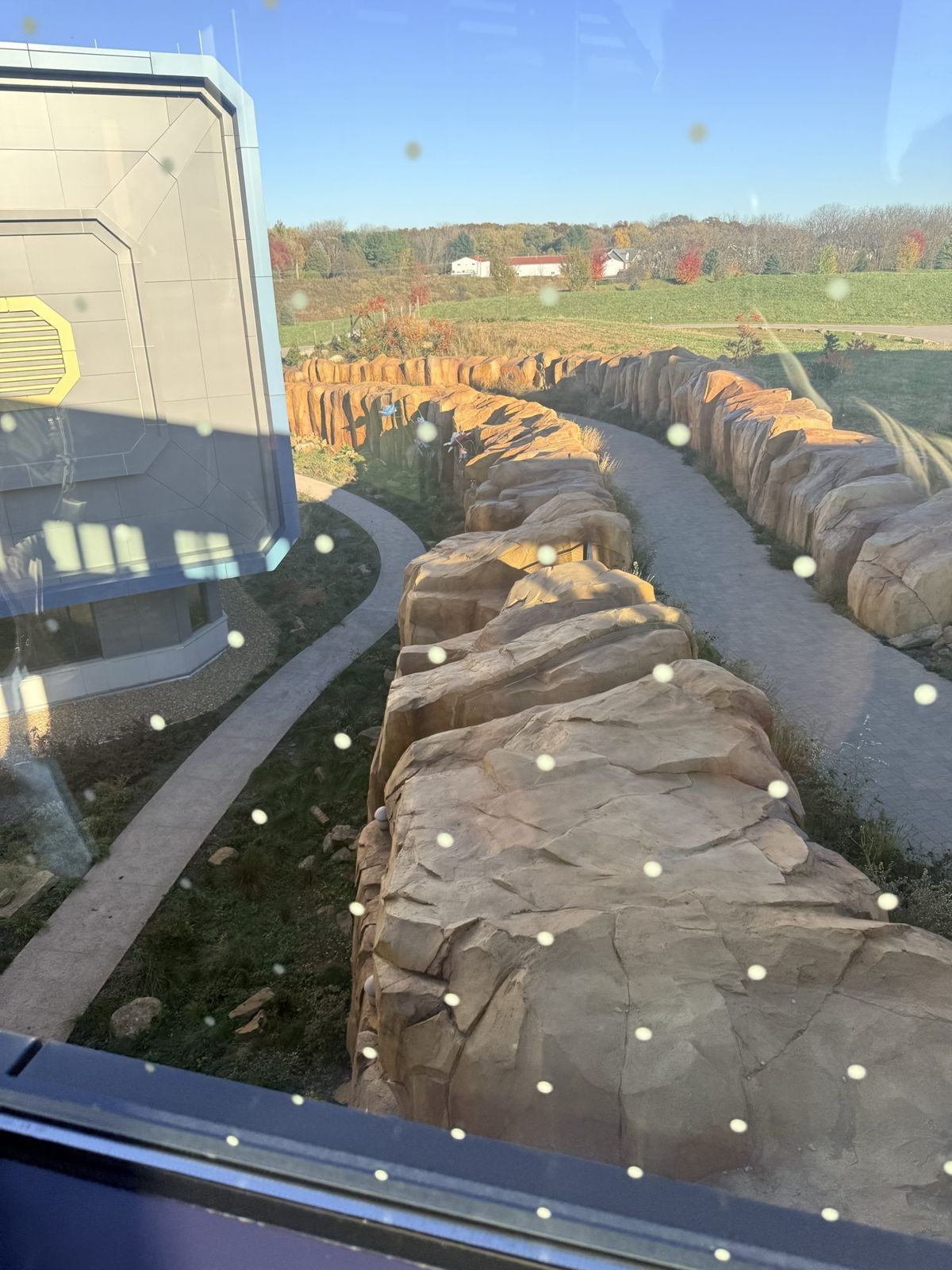
On the first day, our instructor took us on a campus tour, and I took a lot of photos.


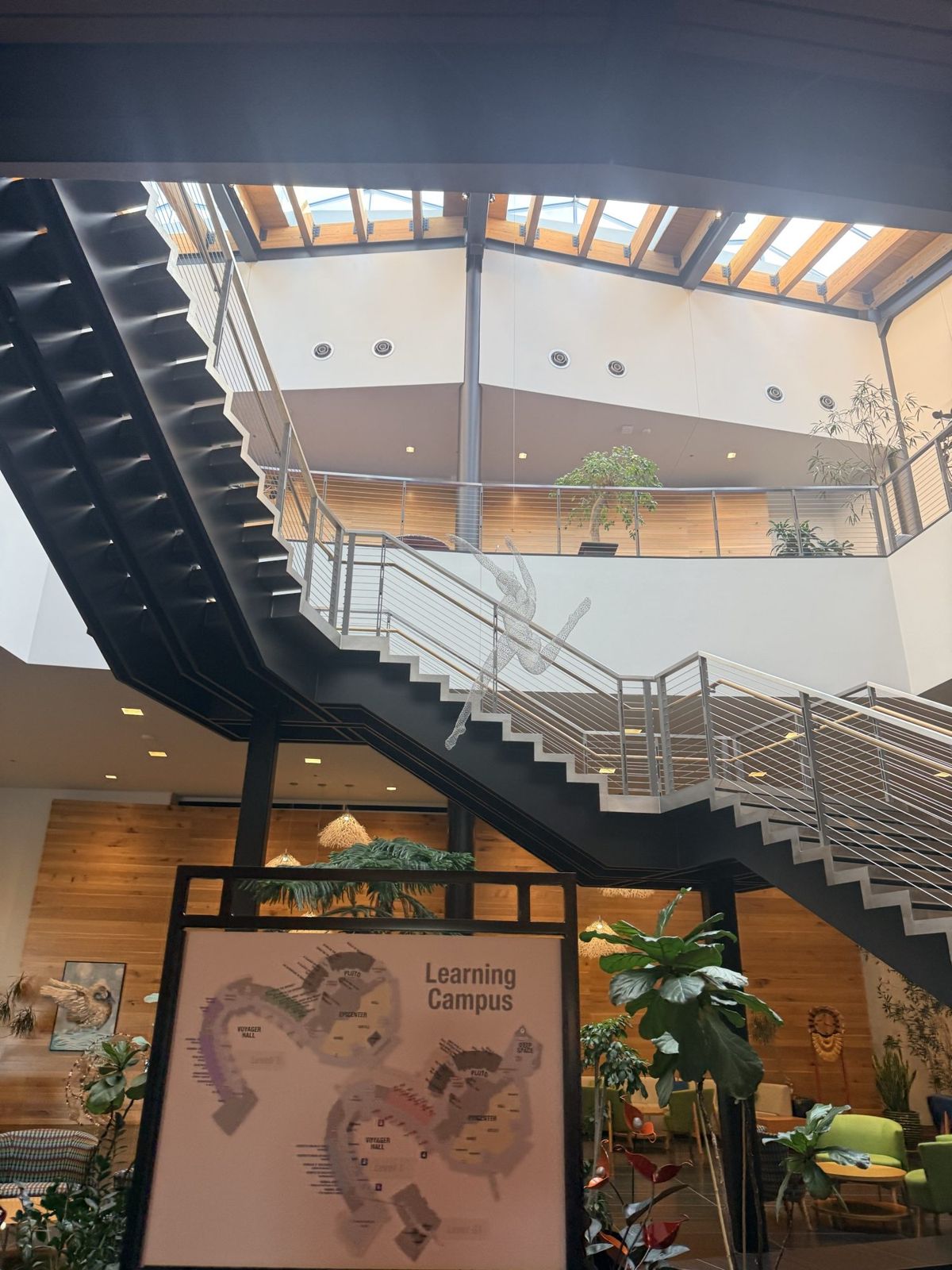
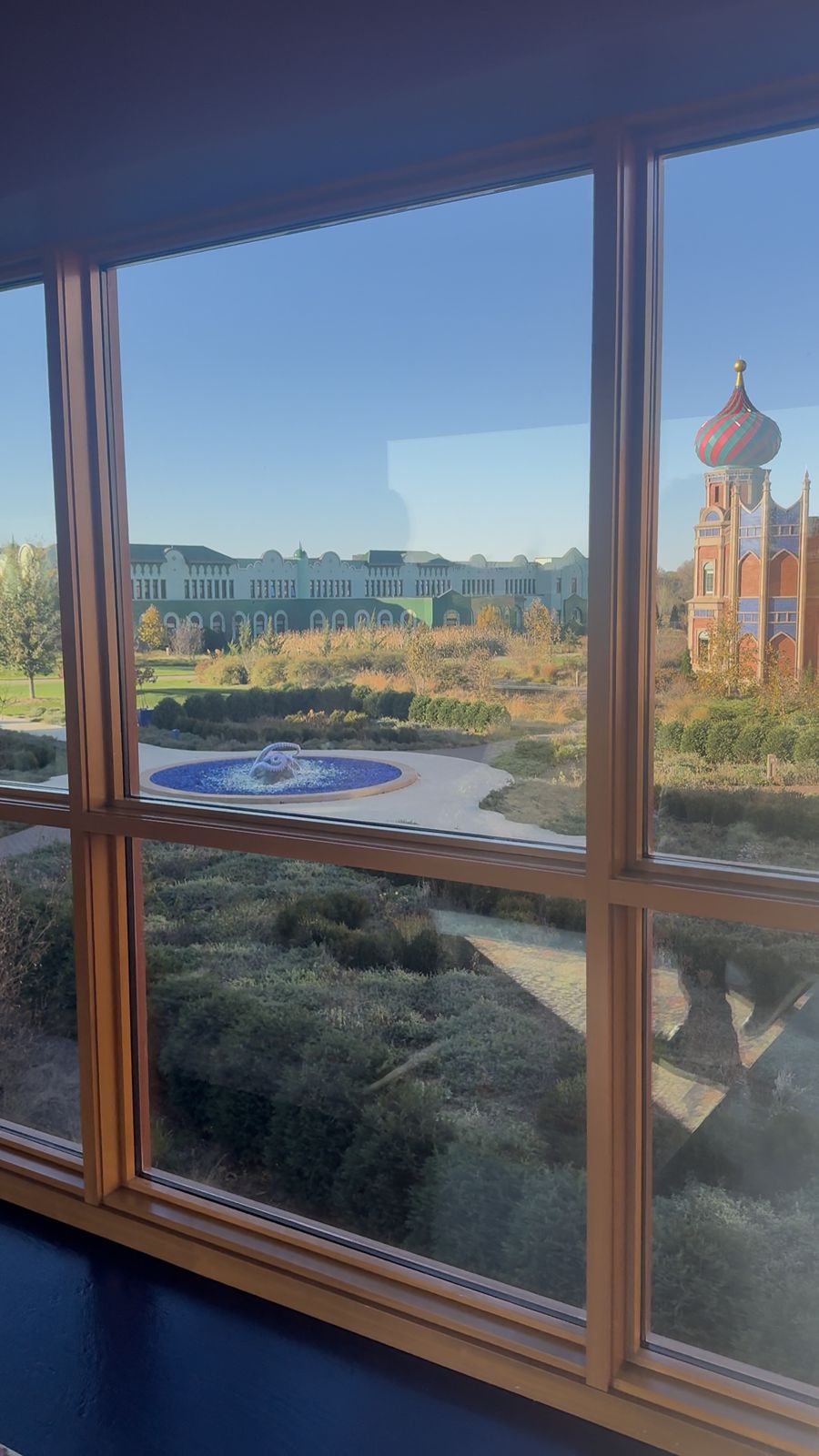
Yes, there’s a slide. You can ride it from an upper floor down to the other side of the building. I went down it and recorded a video.

A few other things stood out:
- The food was serious. Day one was chicken tikka, with Bombay potatoes and garlic-roasted cauliflower on the side. Day two was steak, and I’m not going to lie, I went back for a second plate. There was dessert too.
- Coffee is everywhere. Wherever you walk, there’s a spot to grab a cup.
- One hallway always smells like candy. Every time I walked through it. The walls match: a giant swirl lollipop, candy flowers, and a display case packed with hundreds of real lollipops.
- Even the details are themed. Hallway mirrors come with carved frames and troll statues standing guard. I couldn’t walk past without a selfie.
- The logo is rare. Except for the big sign at the entrance and the bikes, I barely saw the Epic logo anywhere on campus. For a place that big, it’s surprisingly low-key.
- It empties fast. Classes end at different times. By around 5 PM, everyone heads to their hotels or the airport, and the campus gets quiet.
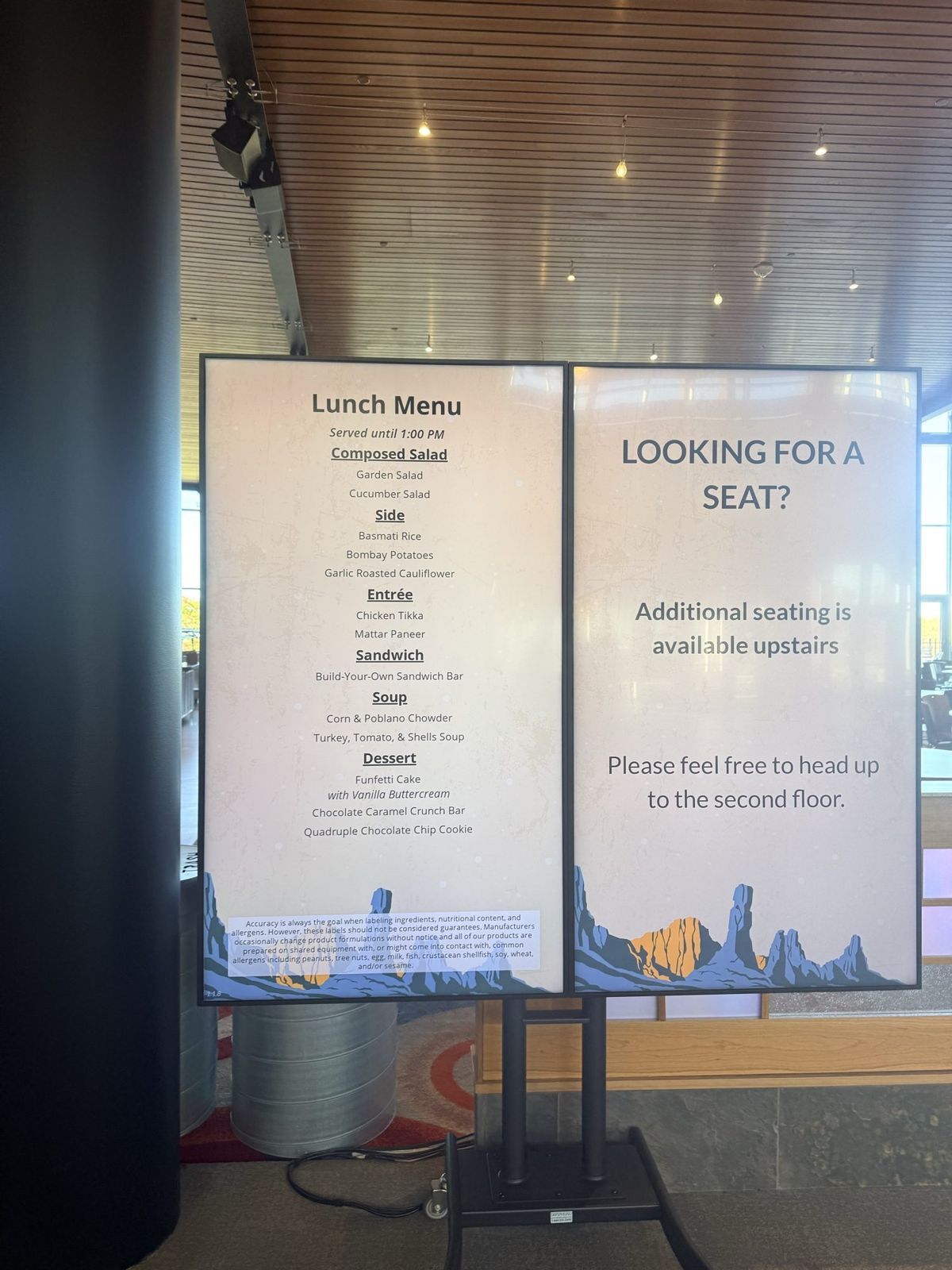
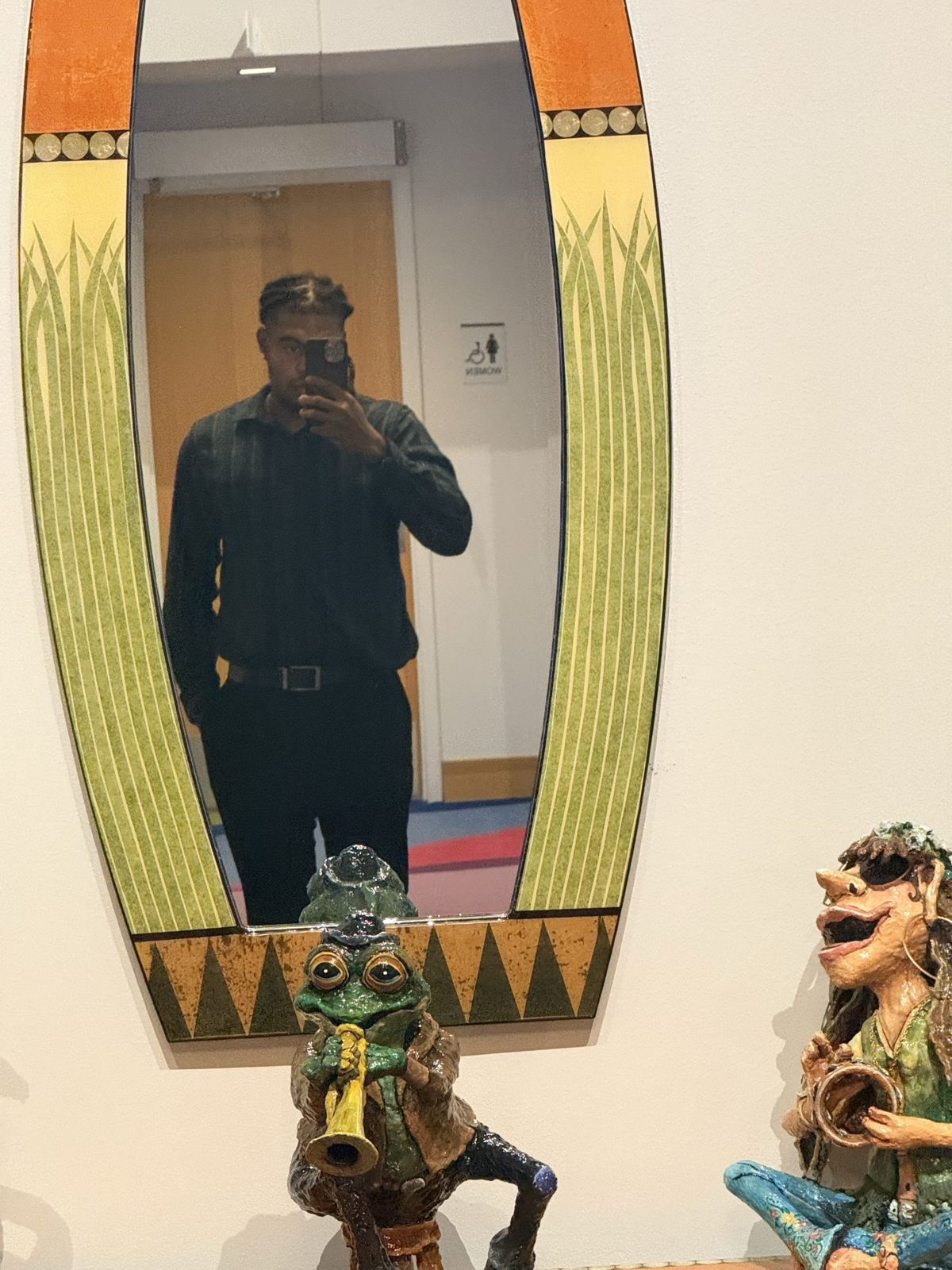
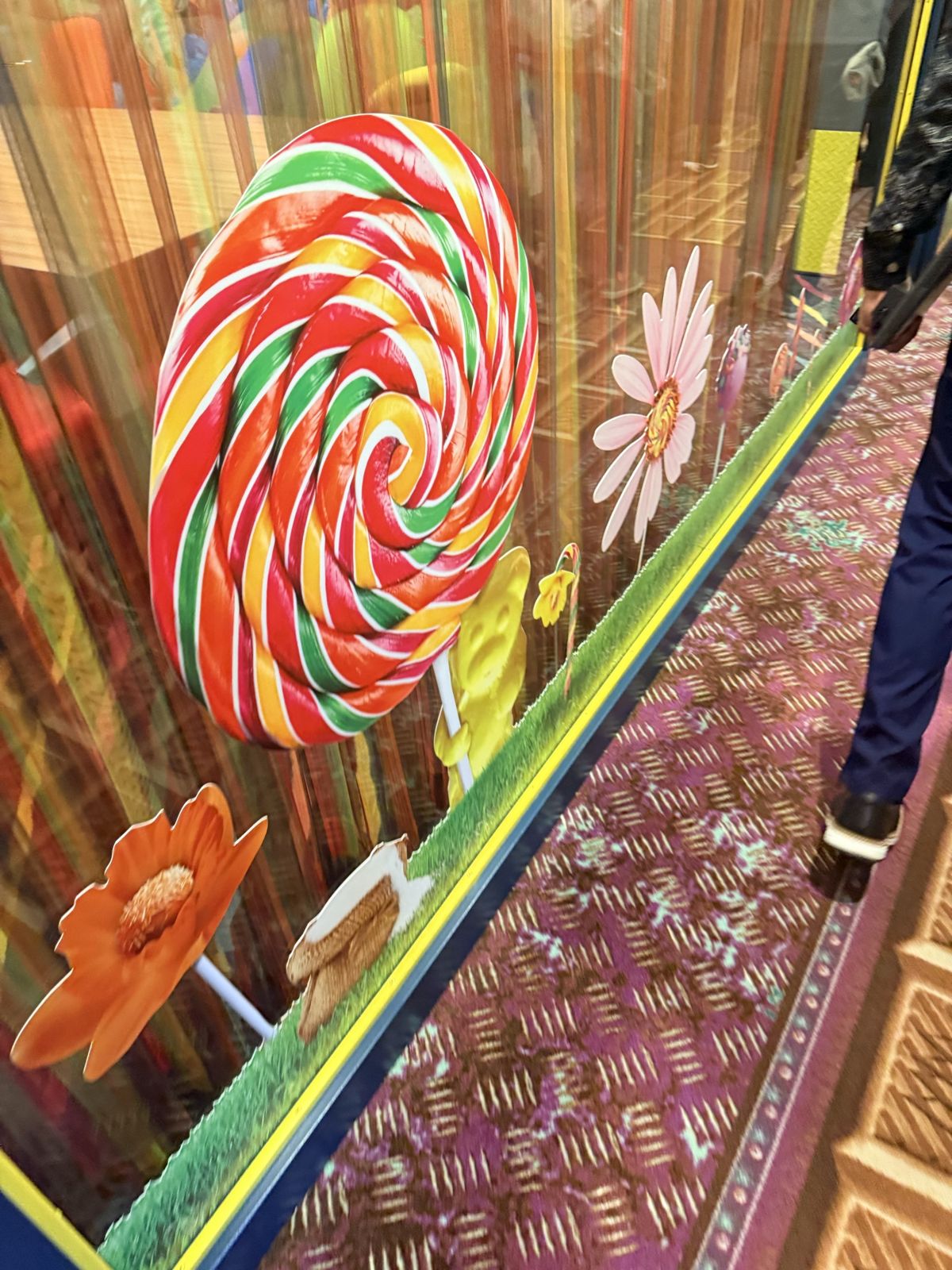
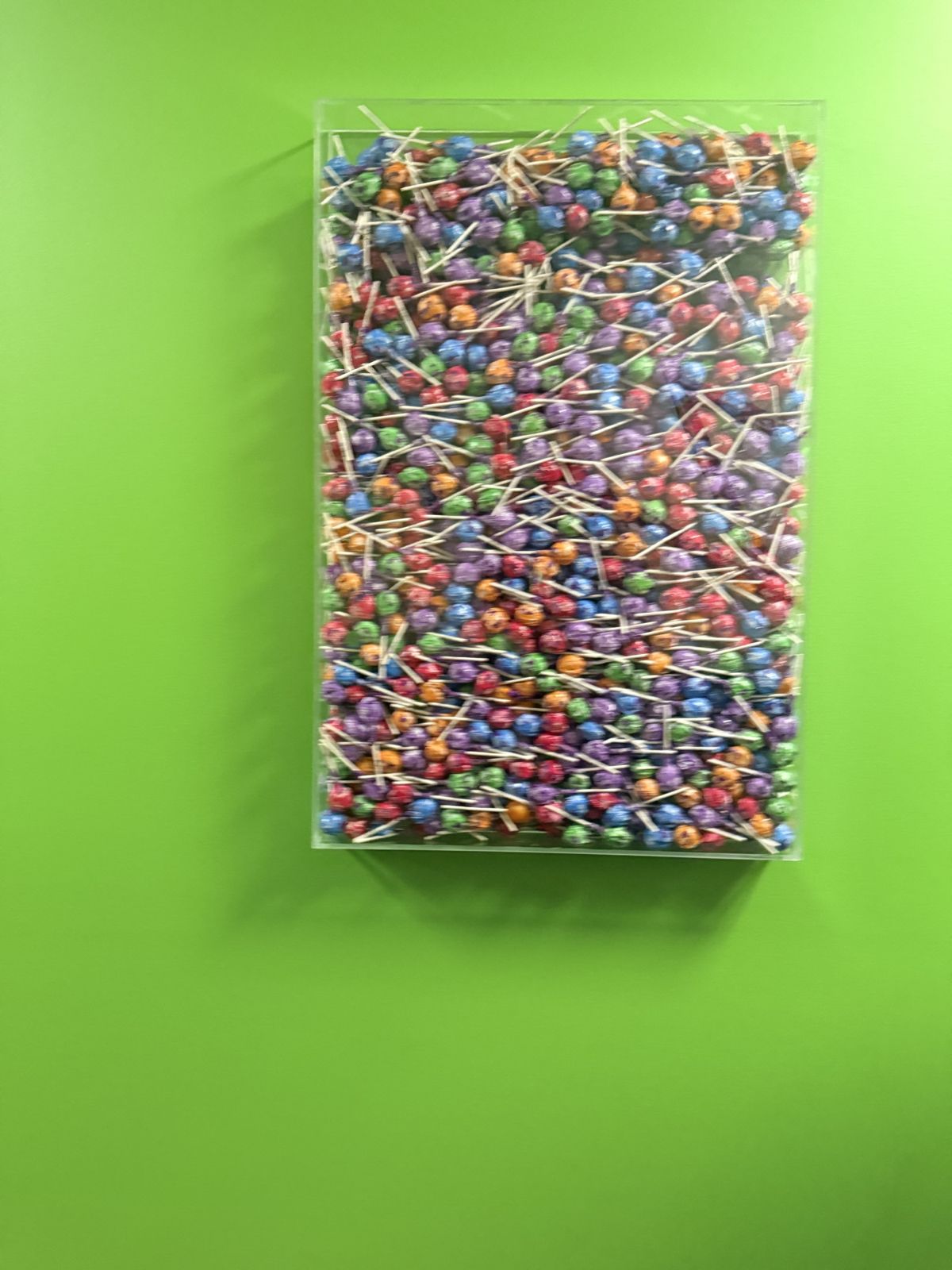
Getting there: check whether your hotel runs a free shuttle before you book. Some hotels near Epic shuttle guests straight to campus and back. I made the mistake of picking one that didn’t, so I took an Uber to and from Epic both days.
A practical tip: if you’re flying out on your last day, there’s a luggage storage room. I brought my suitcase on day two, left it there during class, picked it up at the end, and went straight to the airport. I didn’t see much of Verona itself, but those two days on campus were worth it.
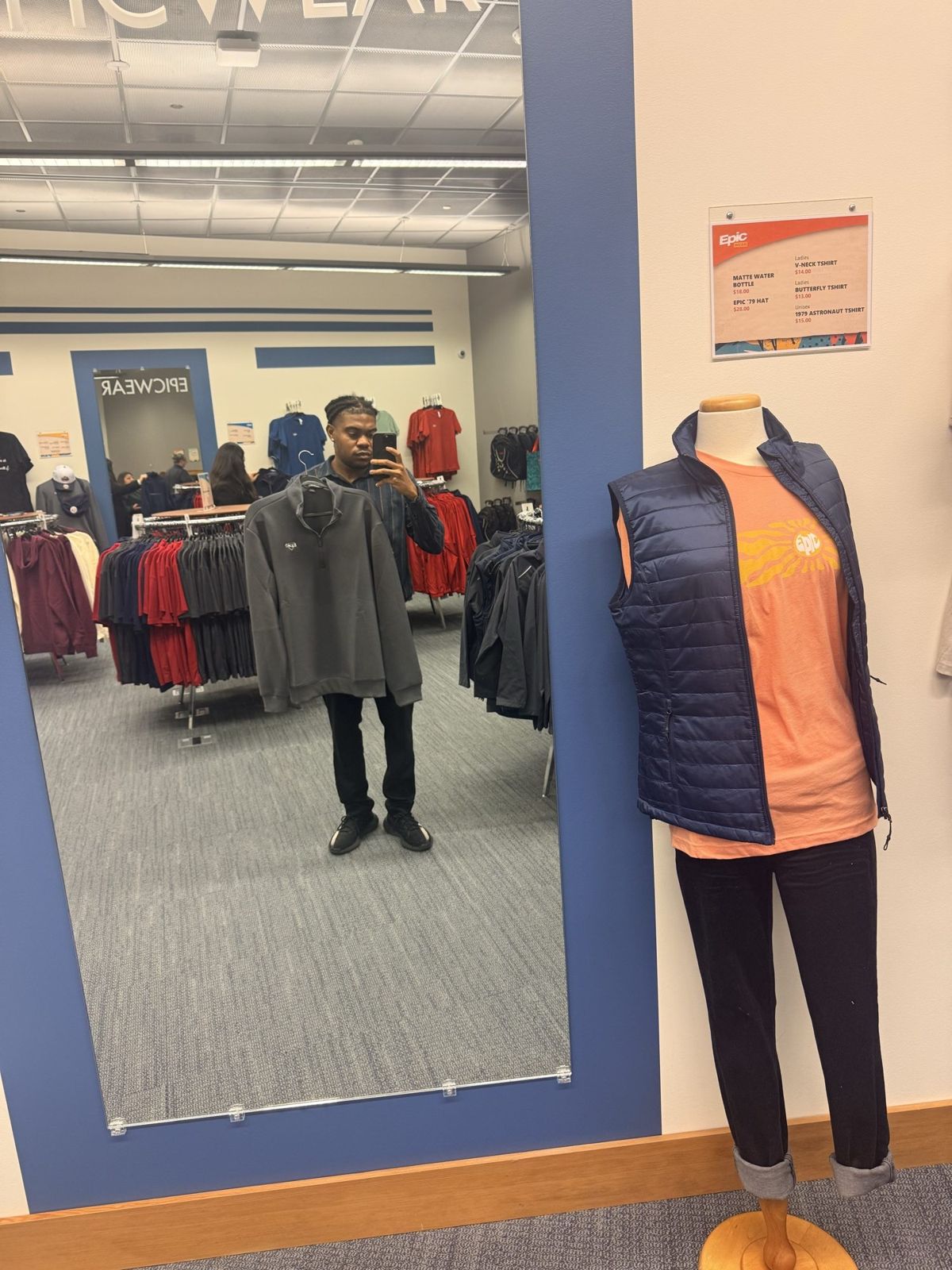
I also came home with merch: an Epic hoodie, a quarter-zip, and two water bottles. After waiting 10 years to be in that room, I wasn’t leaving empty-handed.
What’s next: the project and the exam
The class is only the first step. To be fully certified, I still need to complete a project and pass an exam, due next year. I haven’t started the project yet. I’ll write about that part when I get there.
It’s already changed how I work
Even before certification, those two days changed how I work:
- In meetings with Epic’s team, I understand what they’re describing and ask better questions.
- With my manager, I now bring ideas for what we could build to get more visibility into how REDCap and Epic talk to each other.
That’s the real value. The certificate matters, but understanding the system makes you more useful in every conversation about it.
My advice if you want to get to Epic training
I wanted this certification when I first got into healthcare IT, around 10 years ago. If I could redo it, I’d have pushed for it in 2017 or 2018. Here’s what I’d tell you:
- Get close to Epic first. Take a role where you work near the system: support, training, analyst work, or a third-party app that connects to it.
- Work go-lives and TDRs. Go-live support and technical dress rehearsals show you how Epic really runs, and they put you in front of the people who make training decisions.
- Build the basics on your own. Learn HL7 and an interface engine like Mirth Connect before anyone asks you to. It makes the class much easier, and it shows you’re serious.
- Ask your manager, and tie it to real work. Connect the training to a project you own or a problem your team has. “This will help me deliver X” works better than “I’d like a certification.”
- Don’t wait 10 years. Ask now. The worst they can say is “not yet.”
Break Into Healthcare IT
Want help getting into healthcare IT?
My live cohort helps you understand how healthcare IT actually works, choose a realistic first role based on the background you already have, and get close to systems like Epic so those doors can open.
Keep reading
More from the blog
How to Build a Healthcare IT Lab on Your Own Computer
A home lab will not replace real production experience. It can, however, give you a safe place to learn how systems connect, how data moves, and how you document what you did.
Read articleWhat Healthcare IT Does When a System Breaks
When a clinical system is unavailable, the work is rarely one dramatic fix. It is coordinated investigation, clear communication, safe recovery, and learning from what happened.
Read articleHow I Built a Job Search System That Finds and Organizes Opportunities
A job search becomes harder when every source, job description, and follow-up lives in a different place. I built a system to make the research and review process more deliberate.
Read articleNewsletter
Get the next issue in your inbox.
Three Tuesdays a month: one system, one tool, and the tech news worth your time, covering career, business, and life. Free, and you can unsubscribe anytime.
Join readers working in and breaking into healthcare IT.